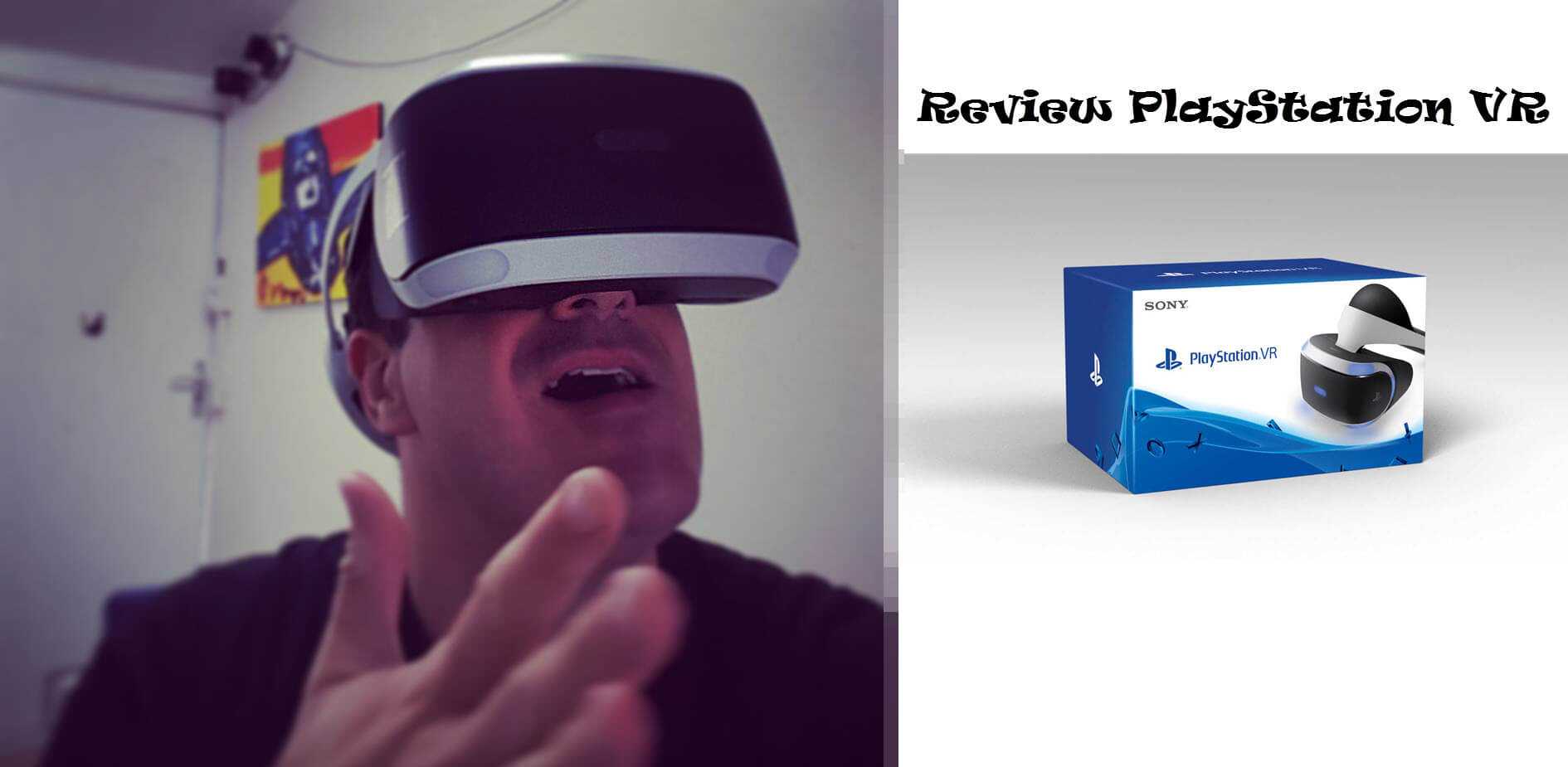







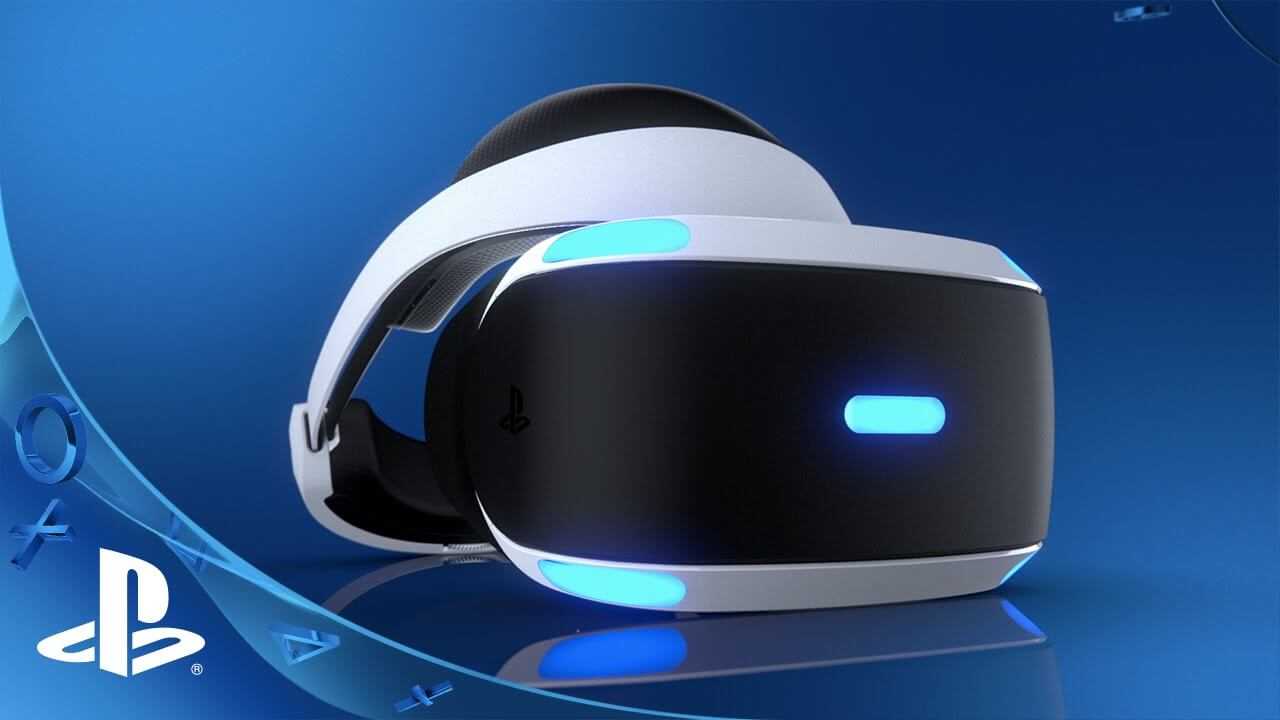
In 2014, Sony quietly introduced its virtual reality ambitions under the codename Project Morpheus. Whether the name was a direct reference to the character from The Matrix remains unclear, but the final product, PlayStation VR, leaves little room for interpretation.
I placed my pre-order in November 2014, long before VR reached a broader audience. Nearly two years later, the moment finally arrived. Surprisingly, there was no crowd at the store on release day. Stock wasn’t even sold out. That alone says a lot about where VR stood at the time: promising, but far from mainstream.
From demo to living room
Owning a VR headset is fundamentally different from trying one at an event. At home, there are no queues, no time limits, and no staff waiting to move you along. You can explore at your own pace, test different experiences, and truly understand what the hardware can and cannot do.
That also means confronting VR’s biggest question: is it comfortable enough for long sessions?
“VR sickness” varies greatly from person to person. Some players can handle intense experiences without issue, while others feel discomfort within minutes. Over the years, I’ve seen everything from people laughing through roller coaster simulations to others immediately pulling the headset off. It remains one of the most unpredictable aspects of VR.
Hardware and comparison
In terms of raw experience, PlayStation VR sits somewhere between early developer kits like the Oculus Rift DK2 and more advanced PC-based systems. Visual fidelity is comparable to what many developers achieved on mid-range GPUs at the time, such as NVIDIA’s 600 and 700 series.
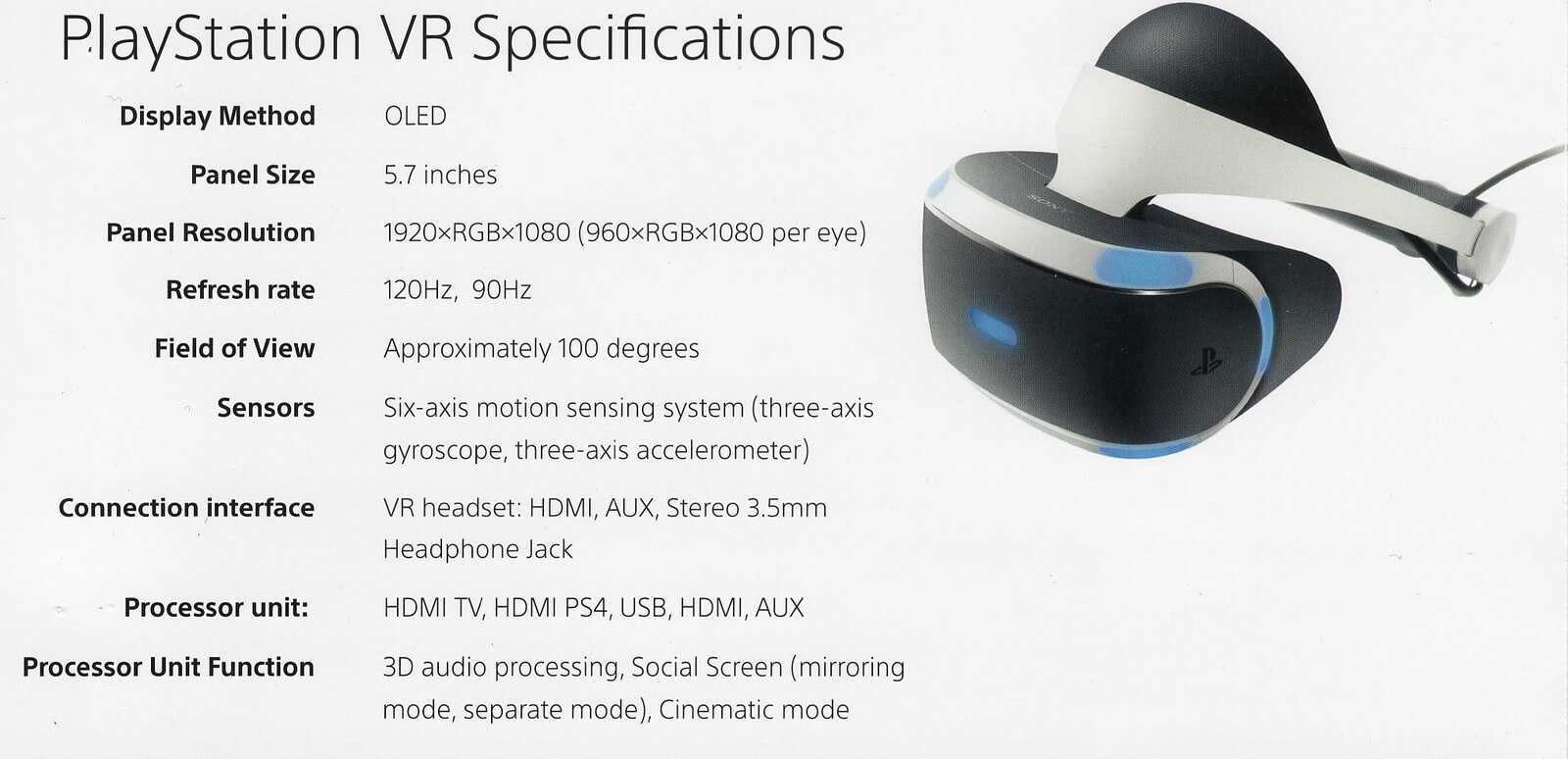
Sony opted for a single 120Hz RGB OLED display, which produces a slightly sharper image than the pentile displays used in the HTC Vive and the consumer Oculus Rift. Tracking is handled differently as well, using a camera-based system derived from the PlayStation Move controllers.
Despite concerns raised online, tracking performs reliably in most situations as long as you remain within the camera’s field of view. Limitations do exist. Occlusion, such as when your hands block the camera, can cause temporary loss of tracking, and turning your back to the camera breaks controller input entirely.
Setup and design
You don’t need a technical background to set up PlayStation VR. Everything is clearly labeled, and the step-by-step guide makes the process quick and straightforward. Even a child could manage it.
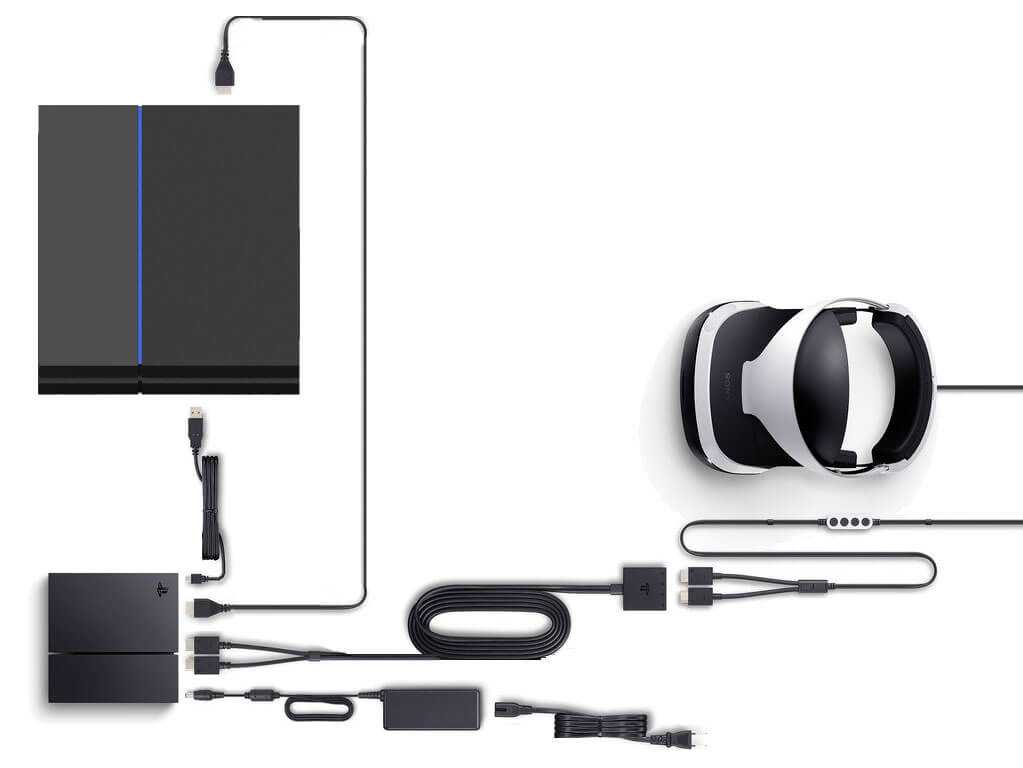
You start by connecting the processor unit, which links to your TV via HDMI. The PlayStation 4 connects to this unit, while the PlayStation Camera plugs directly into the console. A USB cable also connects the processor unit to the PS4. Unfortunately, because the PS4 lacks rear USB ports, this connection must be made from the front.
The processor unit has its own power supply, and at the front, you’ll find two connectors for the headset cable. Once everything is connected, you can power on the headset using the inline remote, which also includes a headphone jack.
The headset’s cable runs along the left side of your body. For me, this felt slightly awkward since my setup is on the right, but it’s manageable with a bit of adjustment.
Comfort is one of the headset’s strongest points. A button on the back releases the band so you can slide it over your head. The padded front rests on your forehead and is one of the most comfortable designs I’ve used so far. A dial on the back tightens the fit, and a button on the front lets you adjust the distance between the lenses and your eyes.
The headset is lightweight, made from decent-quality materials, and features clear lenses. The RGB display appears slightly sharper than that of the Rift and Vive, likely due to its three subpixels per pixel compared to the two used in pentile displays. Audio quality is solid, though the Rift still has the edge.
First experiences
PlayStation VR includes a demo disc with several short experiences. I started with PlayStation VR Worlds, which places you in a cage slowly descending into the ocean. Manta rays glide past as you sink deeper.
Tracking works well, though the experience felt slightly floaty, possibly because I was sitting instead of standing. The visuals are decent, but the limitations of console hardware are noticeable. Compared to PC experiences like TheBlu, environmental detail is reduced. Jellyfish appear blocky and lack the fluid motion you would expect. It feels like the demo could have achieved more.
Next, I tried Driveclub VR. This is where the headset shines. While it doesn’t match the visual fidelity of PC racing simulators, the sense of presence inside the car is impressive. Depth perception and scale add something traditional screens simply cannot replicate. The image is slightly blurry at a distance, but the overall experience is highly enjoyable.
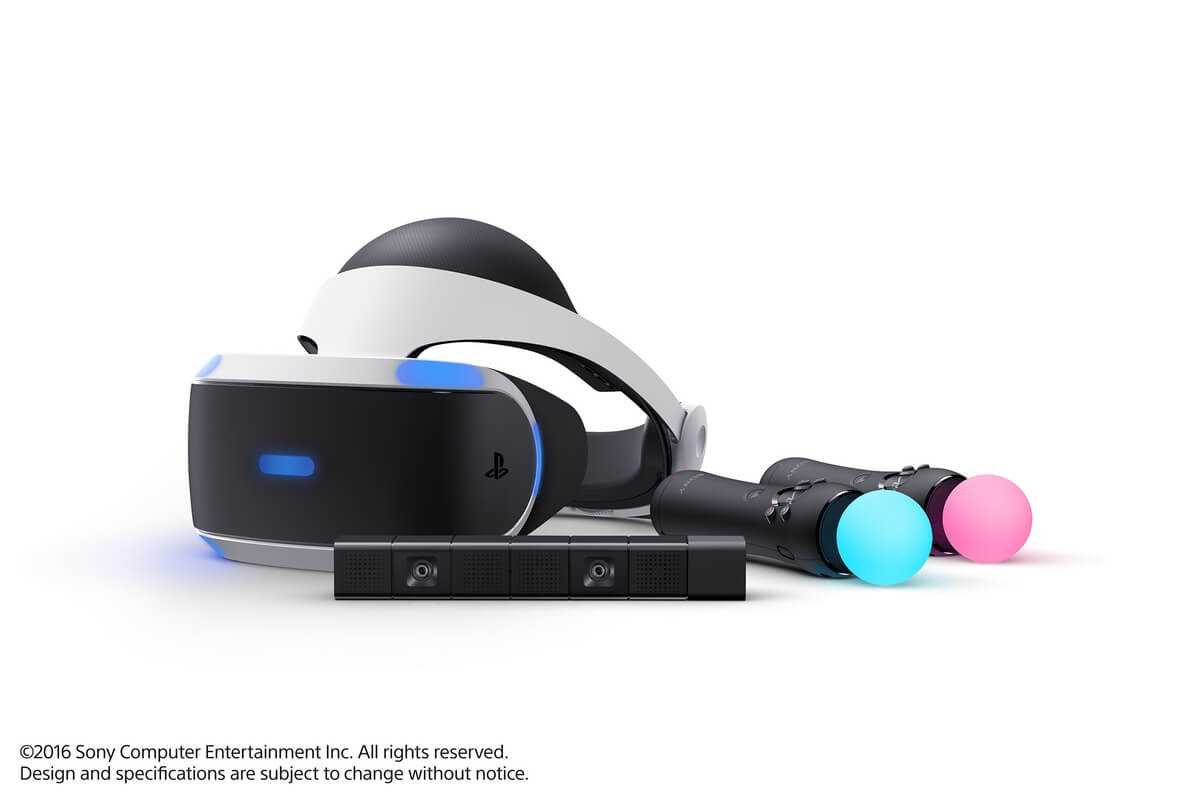
Using the PlayStation Move controllers introduces both potential and limitations. In the London Heist shooting range, interactions work, but tracking inconsistencies become noticeable. When your hands move in front of the headset, tracking can be lost. The screen may also drift slightly over time.
At one point, I accidentally turned my back to the camera, causing the controllers to stop responding entirely. Re-centering the headset requires holding the Options button, which is not ideal in the middle of an intense moment. Fortunately, these issues feel more software-related and could improve over time.
Conclusion
PlayStation VR delivers largely on expectations. It offers a convincing virtual reality experience at a more accessible price point than high-end PC setups.
There are compromises, particularly in graphical fidelity and tracking precision, but these reflect the broader limitations of current-generation VR. Sony has found a strong balance between cost and performance.
If you understand its limitations, PlayStation VR is an excellent entry point into virtual reality and a clear sign that the medium has real potential.
More VR reviews are on the way. Keep an eye on VR Bites and follow ClassicGamerNL for future updates.

I will be interested in reading how much improvement in graphics fidelity will be offered by the ps4 pro. This seems to be your biggest criticism here for psvr.