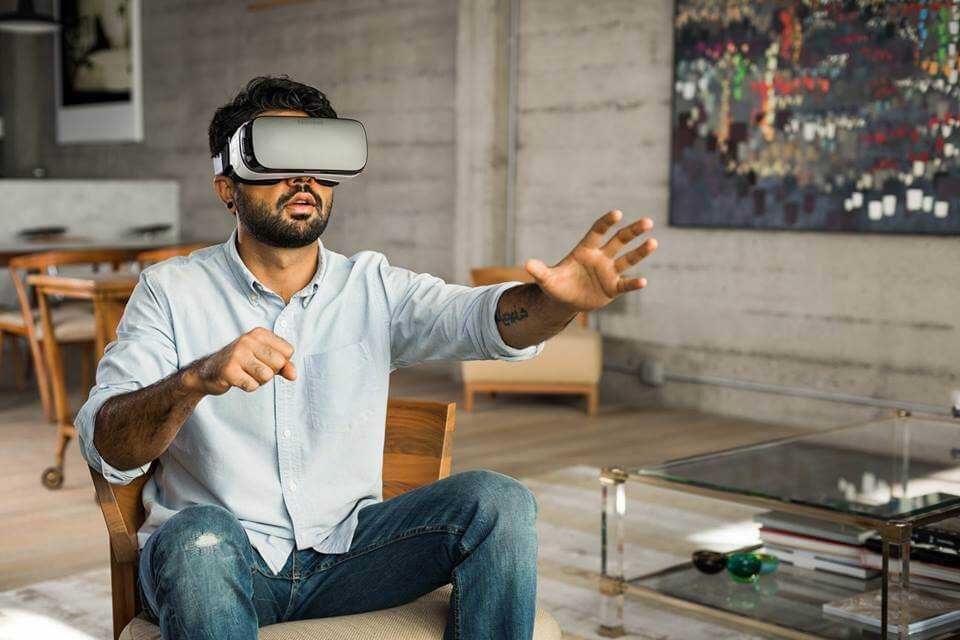







Virtual reality is still largely associated with gaming, and that’s not without reason. Interactive 3D environments naturally lend themselves to exploration, competition, and social interaction — all core elements of modern games. Yet focusing solely on gaming overlooks how the technology is already expanding into other sectors.
One of the more interesting developments can be seen in the online casino space. Traditionally, a visit to a casino is as much about the atmosphere as it is about the games themselves. The social aspect — playing alongside others, interacting with dealers, and being surrounded by activity — plays a central role.
That experience is now slowly finding its way into digital form. Platforms such as Gala Casino have introduced live dealer environments for games like roulette, blackjack, and Texas Hold’em. While still operating through a standard screen, these formats attempt to replicate part of the social dynamic by allowing players to interact with real dealers in real time.
From a technological perspective, this is a logical stepping stone toward fully realized VR casinos. A future scenario would place players inside a virtual casino environment, where they can move through digital spaces, sit at tables, and interact not only with dealers but also with other players. Elements such as lighting, sound, and spatial presence could recreate the atmosphere of a physical casino, but without requiring players to leave their homes.
This gradual transition highlights a broader trend within virtual reality. Rather than appearing as a fully formed, standalone technology, VR is often layered on top of existing services. The line between traditional digital experiences and fully immersive environments is becoming increasingly blurred.
According to Live Science, the potential applications extend far beyond entertainment. Sectors such as healthcare, education, and the legal system are already experimenting with VR to enhance existing workflows.
In education, for example, virtual environments can simulate hands-on experiences that would otherwise be difficult to access. Automotive companies like Ford have already explored this through virtual labs, where users can interact with digital prototypes in real time. While online learning platforms have laid the groundwork, VR introduces a more spatial and interactive layer on top of these systems.
What emerges is not a sudden shift, but a gradual evolution. Early implementations — from live dealer casinos to virtual classrooms — demonstrate how VR is being integrated step by step. While it remains difficult to predict exactly how the technology will shape everyday life, the first practical applications are already visible.
Perhaps unexpectedly, industries like online gambling are among the first to experiment with these hybrid formats. Whether they will ultimately lead the way remains to be seen, but they do offer a glimpse of how virtual reality may transition from concept to everyday use.
